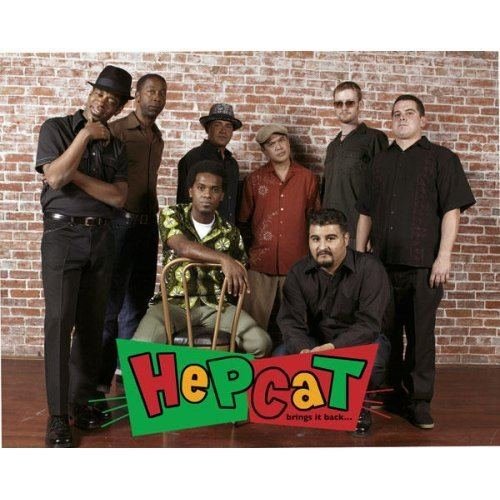
The rumble of a stand-up bass, the precise upstroke of a guitar, and the soulful wail of a horn section — this is the sound that defined Hepcat, a band whose Music Career & Hepcat journey became synonymous with the purest form of Jamaican ska revival. Born in the vibrant, often punk-dominated landscape of 1990s Southern California, Hepcat didn't just play ska; they breathed its authentic spirit, distinguishing themselves by championing the mellow, soulful harmonies and swinging rhythms of 1960s Jamaica over the aggressive punk-ska fusion of many contemporaries. Their story is one of unwavering dedication, musical evolution, and profound resilience in the face of immense loss, leaving an indelible mark on the global ska scene.
At a Glance: Why Hepcat Matters
- Authentic Revivalists: Pioneers in bringing true 1960s Jamaican ska, rocksteady, and early reggae sounds back to prominence in the 1990s.
- Unique Sound: Known for soulful dual vocals, tight brass arrangements, and a mellower, jazz-infused approach, setting them apart from third-wave ska's punk leanings.
- Influential Discography: Released four acclaimed studio albums, including the commercially successful Right on Time, which earned them national recognition.
- Road Warriors: Toured extensively, sharing stages with legends like The Skatalites, Desmond Dekker, and The Specials, and appearing on the Vans Warped Tour.
- Enduring Legacy: Despite tragic losses of key members, their music continues to be reissued and celebrated, inspiring new generations of musicians.
The Hepcat Ethos: Reclaiming Authentic Ska
In late 1989, as the grunge scene was beginning to dominate airwaves and third-wave ska was often characterized by a punk rock edge, vocalist Greg Lee and keyboardist/vocalist Deston Berry had a different vision. Inspired by the foundational sounds of Jamaican music, they formed Hepcat in Los Angeles. The name itself, "Hepcat," was a nod to a bygone era—1930s jazz slang for a stylish devotee of swing music, also amusingly inspired by co-vocalist Alex Désert's pet cat. This seemingly small detail speaks volumes about the band's aesthetic: a deep appreciation for the roots, a touch of cool, and an undeniable sense of style.
Lee swiftly brought in Alex Désert as co-vocalist, forming the charismatic dual-frontman dynamic that would become a Hepcat hallmark. Early instrumentalists included alto saxophonist Raul Talavera, bassist Dave Fuentes, drummer Greg Narvas, and tenor saxophonist Dave Hillyard. Their initial performances in small Los Angeles venues around 1990 were less about original material and more about immersion, focusing on reverent covers of 1960s Jamaican ska pioneers. This dedication quickly earned them the respect, and eventually the mentorship, of none other than The Skatalites, the legendary band whose very sound Hepcat sought to preserve.
While the Southern California third-wave ska revival was surging in the 1990s, Hepcat carved out a unique space. Where many bands fused ska with punk, rock, or pop, Hepcat doubled down on authenticity. They emphasized mellow, soulful harmonies and swinging rhythms, creating a sound that felt both timeless and fresh amidst a sea of high-energy, often aggressive, ska acts. This purist approach was not just a stylistic choice; it was a mission statement, positioning Hepcat as true revivalists rather than mere interpreters.
Crafting a Sound: Hepcat's Musical Blueprint
Hepcat's primary genre might be categorized as third-wave ska, but that label barely scratches the surface of their sonic tapestry. Their music is a rich infusion of rocksteady, early reggae, ska-jazz, soul, and R&B, reflecting a deep understanding of Jamaican music's evolution and its American influences. This sophisticated blend made their sound instantly recognizable and endlessly captivating.
At the core of Hepcat's signature sound are several key elements:
- Upbeat Rhythms: Propelled by a driving rhythm section, their music maintained ska's characteristic upbeat tempo, inviting listeners to move.
- Prominent Horn Sections: Tight, brass arrangements were essential, often featuring the interplay between tenor and alto saxophones, sometimes joined by trumpet. Efren Santana (tenor saxophone) and Kincaid Smith (trumpet, flugelhorn) became integral to this sound.
- Dual Lead Vocals: The harmonious call-and-response singing between Greg Lee and Alex Désert provided a dynamic vocal texture, blending soulful delivery with smooth melodies. Their voices often complemented each other, creating a rich vocal blend that was both powerful and soothing.
- Guitar-Driven Upstrokes: Lino Trujillo's guitar work, marked by precise, rhythmic upstrokes, provided the essential ska chop that grounded their sound in tradition.
- Mellow, Soulful Tempos: Unlike the fast, aggressive tempos of some contemporaries, Hepcat embraced a more relaxed, groove-oriented pace, allowing the melodies and harmonies to breathe.
The band consciously emphasized an authentic revival of 2 Tone and Blue Beat styles, drawing heavily from 1960s Jamaican ska and rocksteady artists like Prince Buster, Desmond Dekker, and, of course, The Skatalites. But their inspirations weren't limited to Jamaica. American soul, R&B, and jazz elements were seamlessly woven into their compositions, adding layers of sophistication and warmth. This fusion created a sound that was both danceable and deeply emotive, appealing to a broad audience far beyond the traditional ska fan base.
A Discography of Distinction: Hepcat's Album Journey
Hepcat's Music Career & Hepcat trajectory is well-documented through its compelling discography, each album representing a stage in their evolution while maintaining their core commitment to authentic sounds.
Studio Albums
| Year | Title | Label | Tracks | Style Notes | AllMusic Rating |
|---|---|---|---|---|---|
| 1994 | Out of Nowhere | Moon Ska Records | 13 | Debut, raw and authentic, showcasing their purist ska and rocksteady roots. | 7.8/10 |
| 1996 | Scientific | BYO Records | 16 | Expanded reggae-infused style, more polished production, critical acclaim. | 8.2/10 |
| 1998 | Right on Time | Hellcat Records | 14 | Commercial breakthrough, featured hit "No Worries," named one of the year's best | 8.8/10 |
| 2000 | Push 'n Shove | Hellcat Records | 14 | Transitional, experimental with more pronounced reggae and soul elements. | 6.8/10 |
| Out of Nowhere (1994) served as a powerful declaration, announcing Hepcat's arrival as standard-bearers for authentic ska. It was a raw, energetic, yet meticulously crafted debut that immediately set them apart. | |||||
| Two years later, Scientific (1996) saw the band expanding their sound, incorporating more reggae influences and benefiting from a polished production without sacrificing their soulful core. This album received a deluxe reissue in 2024 from Trust Records, accompanied by Scientist Meets Hepcat: Scientific Dub Special, a full dub remix album by the legendary producer Scientist—a testament to the album's lasting impact and versatility. | |||||
| Their commercial breakthrough arrived with Right on Time (1998). This album, released through Hellcat Records, featured the hit single "No Worries" and garnered significant critical acclaim, including being named one of the year's best albums by Time magazine. It solidified their status as national touring acts and demonstrated their ability to achieve mainstream visibility while staying true to their roots. | |||||
| Push 'n Shove (2000) marked a transitional phase. While still unmistakably Hepcat, it delved deeper into experimental reggae and soul, reflecting a band unafraid to explore new sonic territories. A 25th-anniversary vinyl edition released in 2025 highlights its continued relevance. |
Singles & Other Releases
Hepcat also released several notable singles throughout their career, including "Nigel" (1990), "Bobby & Joe / Dollar Dance" (1996), and "No Worries" (1998). Both "Bobby & Joe" and "No Worries" even found airtime on MTV, providing rare exposure for an authentic ska band. The EP 7 Years of Plenty appeared in 2022, showcasing their enduring musical output. Beyond their studio work, Hepcat was a staple on Hellcat Records' Give 'Em the Boot compilation series (1997-2000), further exposing their sound to a broader punk and alternative audience. A 1992 live recording from the Whisky a Go-Go also offers a glimpse into their early, electrifying stage presence.
Taking the Stage: Touring and Mainstream Visibility
The journey of any successful band intertwines studio craft with the relentless grind of the road. For Hepcat, signing with Hellcat Records in 1997 was a pivotal moment that significantly expanded their visibility. This partnership opened doors to larger tours and broader audiences, transitioning them from a revered underground act to a national touring force.
A defining period in their Music Career & Hepcat was their participation in the 1998 Vans Warped Tour, where they played an impressive 34 dates. This platform, typically known for its punk and alternative rock lineup, exposed Hepcat's unique brand of ska to tens of thousands of new fans each day, proving the universal appeal of their soulful sound. It demonstrated that authentic ska could resonate even within a diverse, high-energy festival environment.
Hepcat's touring resume reads like a who's who of music legends. They shared stages with their mentors, The Skatalites, and other foundational Jamaican artists like Desmond Dekker and The Wailers Band. They also opened for iconic two-tone acts such as The Specials, established American ska-punk pioneers The Mighty Mighty Bosstones, and diverse artists like Ben Harper and Rancid. These tours not only expanded their fan base but also cemented their credibility within the global music community. Their reach even extended to television, with an appearance on the Conan O’Brien show, bringing their cool, sophisticated ska to millions of late-night viewers.
The Human Element: Perseverance Through Loss
No Music Career & Hepcat story is complete without acknowledging the profound human element—the bonds, the triumphs, and the heart-wrenching losses that shape a band's journey. Following Push 'n Shove in 2000, Hepcat entered a period of hiatus, regrouping in 2003 for live performances that reminded fans of their enduring power. However, the years that followed brought immense sorrow and challenged the band's continuity.
The first major blow came on September 23, 2007, with the death of original bassist David Fuentes at the age of 36. Fuentes was a foundational member whose rhythmic contributions were central to Hepcat's early sound. His passing left a significant void. Years later, on March 29, 2015, guitarist Aaron Fletcher Owens, another early 1990s member, tragically died at age 38 from congestive heart failure. These losses, occurring too soon, underscored the fragility of life and the deep personal connections within the band.
Despite these hardships, Hepcat continued with infrequent appearances, a testament to the members' dedication to their music and legacy. However, momentum was again tragically halted by the death of co-lead vocalist Greg Lee on March 19, 2024, at age 53, due to a brain aneurysm and cardiac arrest. Lee's voice, charisma, and foundational role were irreplaceable, leaving a profound impact on the band and its legions of fans.
In the wake of these immense losses, Hepcat's surviving members and the broader ska community have committed to preserving their catalog through reissues and tribute performances. This dedication ensures that the vibrant, soulful music created by Greg Lee, David Fuentes, Aaron Fletcher Owens, and the entire Hepcat family will continue to resonate, influencing subsequent ska acts with their purist, authentic approach. The current lineup, featuring primary lead vocalist Alex Désert and founding keyboardist Deston Berry, alongside long-standing members Efren Santana, Kincaid Smith, Lino Trujillo, and Greg Narvas, carries forward the torch, often with guest bassists filling in.
Notable Past Members: A Roll Call of Talent
| Member | Role | Years Active (Primary) | Contribution |
|---|---|---|---|
| Greg Lee | Co-lead vocalist | 1989-2024 | Founding member, charismatic frontman, primary vocal harmony. |
| David Fuentes | Original bassist | 1989-2007 | Laid the rhythmic foundation, crucial to early sound. |
| Aaron Fletcher Owens | Guitarist | Early 1990s - c. 2015 | Contributed to the band's distinctive guitar upstrokes and melodies. |
| Raul Talavera | Founding alto saxophonist | 1989-2000 | Integral to the early horn section arrangements. |
| Scott Abels | Drummer | 1998 - early 2010s | Provided rhythmic drive during a peak period of touring and recording. |
| Dave Hillyard | Tenor saxophonist | Brief early stint | Contributed to the evolving horn sound in the band's formative years. |
Beyond the Notes: Hepcat's Enduring Influence on Music Career & Hepcat
Hepcat's legacy extends far beyond their records and concert halls. They didn't just play ska; they pioneered a purist approach within a scene that often leaned on fusion. In an era where "third-wave ska" often meant fast tempos and punk attitude, Hepcat was a crucial counter-narrative, reminding everyone of the genre's foundational mellow grooves and soulful underpinnings.
Their dedication to studying and faithfully recreating the sounds of 1960s Jamaican ska and rocksteady provided a blueprint for other bands seeking authenticity. They proved that there was a vibrant audience for traditional sounds, and that commercial success wasn't contingent on sacrificing musical integrity. This approach has inspired countless subsequent ska acts to delve into the roots, fostering a deeper appreciation for the genre's rich history. Their Music Career & Hepcat journey teaches that commitment to a specific, refined sound can resonate deeply and endure through decades.
Navigating the Modern Ska Scene: Lessons from Hepcat's Journey
For aspiring musicians and bands looking to carve their own niche, Hepcat’s career offers invaluable lessons:
- Embrace Authenticity: Don't chase trends if it means sacrificing your artistic vision. Hepcat's commitment to genuine 1960s Jamaican sounds, even when punk-ska was popular, ultimately defined their unique identity and longevity. Find your true sound and stick with it.
- Cultivate a Unique Voice: While inspired by tradition, Hepcat wasn't a cover band. Their dual vocals, specific horn arrangements, and blend of soul/jazz elements created a sound that was distinctly their own. Understand your influences, then integrate them into something new.
- Prioritize Live Performance: Hepcat honed their craft in small venues, eventually touring globally with legends. A compelling live show builds a loyal following and is often the best marketing.
- Leverage Your Catalog: Even decades after their initial release, Hepcat’s albums are being reissued, remixed, and celebrated. A strong, timeless catalog is a long-term asset. Ensure your music is well-produced and can stand the test of time.
- Seek Mentorship and Community: The Skatalites' mentorship was crucial for Hepcat's early development. Engage with experienced artists, learn from them, and contribute positively to your musical community.
- Persevere Through Adversity: The band faced profound personal losses, yet their music and legacy endure. The journey in music is rarely linear; resilience and dedication are paramount.
Frequently Asked Questions About Hepcat's Legacy
What makes Hepcat unique among ska bands?
Hepcat's uniqueness stems from their unwavering commitment to the authentic, soulful sounds of 1960s Jamaican ska, rocksteady, and early reggae. Unlike many third-wave ska bands that infused punk or pop elements, Hepcat emphasized mellow tempos, tight jazz-infused horn arrangements, and harmonious dual lead vocals, creating a sophisticated and timeless sound that stood apart.
What is "authentic ska" in Hepcat's context?
For Hepcat, "authentic ska" refers to the original style of Jamaican music from the 1960s, characterized by upbeat rhythms, prominent horn sections, and syncopated guitar upstrokes. It embraces the influence of American jazz, soul, and R&B, and often features a smoother, more soulful vocal delivery compared to later, punk-influenced ska subgenres.
Who were the key members of Hepcat?
Key members included founding co-vocalists Greg Lee and Alex Désert, founding keyboardist Deston Berry, original bassist David Fuentes, and guitarists like Lino Trujillo and Aaron Fletcher Owens. The horn section saw contributions from Raul Talavera, Efren Santana, and Kincaid Smith, while drummers included Greg Narvas and Scott Abels. Tragically, Greg Lee, David Fuentes, and Aaron Fletcher Owens have passed away.
Is Hepcat still active?
Following significant losses, including co-lead vocalist Greg Lee in 2024, Hepcat's activity has slowed. However, surviving members, including primary lead vocalist Alex Désert and founding keyboardist Deston Berry, continue to perform infrequently with a rotating lineup. Their catalog is actively being preserved through reissues, and tribute performances honor their profound legacy.
The Rhythm Continues: Hepcat's Place in History
The story of Hepcat is a compelling chapter in the annals of modern music. It’s a narrative not just about a band, but about a movement—a passionate dedication to preserving and reinterpreting a beloved musical form. Their Music Career & Hepcat journey highlights the power of authenticity, the resilience of artistic vision, and the profound impact a group of dedicated musicians can have on generations.
From their humble beginnings in Los Angeles to sharing stages with music icons and achieving national recognition, Hepcat consistently prioritized soul over spectacle, groove over gimmick. Though time has brought heartache and loss, the vibrant, soulful rhythms they crafted continue to live on, inviting new listeners to discover the timeless appeal of true Jamaican ska. Dig into their albums, experience their reissues, and let the smooth, swinging sounds of Hepcat remind you why authentic music will always find its way.